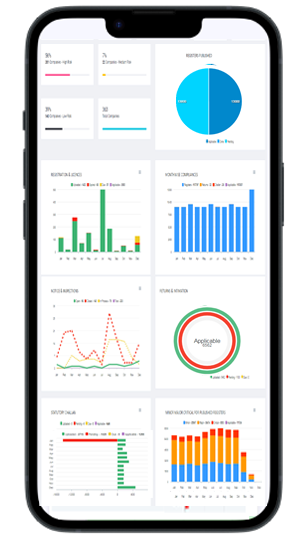
Posh Consultant Services
A Posh (Prevention of Sexual Harassment) Consultant Service helps organizations comply with laws and regulations related to preventing and addressing sexual harassment in the workplace. This role involves providing expertise on legal requirements, developing policies, and offering training to ensure a safe and respectful work environment.
Services Offered by a Posh Consultant:
1. Policy Development:
- Drafting Policies: Creating comprehensive anti-sexual harassment policies tailored to the organization’s needs.
- Reviewing Existing Policies: Assessing and updating current policies to ensure they meet legal requirements and best practices.
2. Training and Workshops:
- Employee Training: Conducting workshops for employees on recognizing, preventing, and reporting sexual harassment.
- Management Training: Training for managers and HR personnel on handling complaints and implementing policies effectively.
3. Complaint Handling:
- Procedures: Developing clear procedures for reporting and investigating complaints.
- Support: Offering guidance on handling complaints sensitively and in compliance with legal standards.
4. Compliance Audits:
- Assessment: Conducting audits to evaluate the organization’s compliance with Posh regulations.
- Recommendations: Providing recommendations for improvement based on audit findings.
5. Legal Guidance:
- Regulations: Advising on legal obligations under relevant laws and regulations.
- Updates: Keeping the organization informed about changes in laws and regulations related to sexual harassment.
6. Support for Affected Individuals:
- Counseling: Offering support and counseling services for individuals who have experienced harassment.
- Resources: Providing resources and referrals to external support services if needed.
Key Benefits of Hiring a Posh Consultant:
- Expertise: Access to specialized knowledge on legal requirements and best practices.
- Customization: Policies and training tailored to your organization’s specific needs and culture.
- Risk Mitigation: Reducing the risk of legal issues and improving workplace safety.
- Employee Confidence: Enhancing trust among employees by demonstrating a commitment to a safe and respectful workplace.
Steps to Engage a Posh Consultant:
- Identify Needs: Determine your organization’s specific requirements related to Posh compliance.
- Research Consultants: Look for consultants with a proven track record and expertise in workplace harassment.
- Request Proposals: Ask for proposals or quotes from multiple consultants to compare services and costs.
- Check References: Verify the consultant’s credentials and past work with references or case studies.
- Engage Services: Sign a contract outlining the scope of work, deliverables, and fees.
Legal and Regulatory Context:
India Example: In India, the Sexual Harassment of Women at Workplace (Prevention, Prohibition and Redressal) Act, 2013 (POSH Act) mandates all organizations to implement policies and procedures to address sexual harassment. Similar regulations may exist in other countries with varying requirements.
Engaging a Posh Consultant can significantly contribute to fostering a positive work environment and ensuring compliance with legal requirements related to workplace harassment.