G&CC MANAGEMENT SERVICES
Pollution Registration Service
Statutory compliance services are crucial for businesses to ensure they adhere to legal and regulatory requirements specific to their industry and location. These services help organizations meet their obligations under various laws, avoid penalties, and maintain smooth operations.
Key Areas of Statutory Compliance Services:
1. Labor and Employment Laws:
Wages and Benefits: Ensuring compliance with minimum wage laws, overtime regulations, and employee benefits.
Employment Contracts: Drafting and reviewing employment contracts to meet legal standards.
Workplace Safety: Adhering to occupational health and safety regulations.
Employee Leave: Managing compliance with leave entitlements, including sick leave, maternity leave, and annual leave.
2. Tax Compliance:
Income Tax: Ensuring accurate filing of corporate and personal
Payroll Taxes: Managing deductions and contributions for social security, health insurance, and other payroll-related taxes.
3. Corporate Governance:
Company Registrations: Maintaining compliance with company registration and regulatory filings.
Annual Returns: Filing annual returns and financial statements with regulatory bodies.
Board Meetings: Ensuring proper documentation and compliance with corporate governance practices.
4. Environmental Regulations:
Waste Management: Adhering to regulations regarding the disposal of hazardous and non-hazardous waste.
Emissions Standards: Compliance with regulations related to emissions and environmental impact.
5. Data Protection and Privacy:
GDPR/Privacy Laws: Ensuring compliance with data protection laws such as the General Data Protection Regulation (GDPR) in Europe or other local privacy laws.
Data Security: Implementing measures to protect sensitive and personal data.
6. Health and Safety Regulations:
Workplace Safety Standards: Compliance with health and safety regulations, including regular inspections and risk assessments.
Employee Training: Providing training on health and safety practices.
Benefits of Statutory Compliance Services:
Risk Mitigation: Reduces the risk of legal penalties, fines, and litigation.
Operational Efficiency: Streamlines compliance processes and ensures smooth operations.
Reputation Management: Enhances the organization’s reputation by demonstrating commitment to legal and regulatory standards.
Expertise: Access to specialized knowledge and expertise in navigating complex regulatory environments.
Steps to Engage Statutory Compliance Services:
1. Assess Needs: Identify the specific statutory compliance requirements relevant to your industry and location.
2. Research Providers: Look for compliance service providers with experience in your industry and a strong track record.
3. Request Proposals: Obtain proposals or quotes from multiple service providers to compare services and costs.
4. Check References: Verify the provider’s credentials and references to ensure reliability and competence.
5. Sign Agreement: Enter into a contract outlining the scope of services, deliverables, and fees.
Examples of Statutory Compliance Services Providers:
Consulting Firms: Firms specializing in regulatory compliance and legal consulting.
Accountancy Firms: Firms providing services related to tax compliance, payroll, and financial reporting.
Legal Advisors: Legal experts offering guidance on corporate governance, employment laws, and other regulatory matters.
HR Outsourcing: Companies providing outsourced HR services, including compliance with labor laws and employee benefits.
Engaging with statutory compliance services helps organizations navigate the complexities of legal and regulatory environments, ensuring they remain compliant and avoid potential pitfalls.
Our Simplified Solutions for Diversified Compliances
Go Digital with G&CC via SaralComply
Streamline it all with our proprietary compliance platform:
- Track and monitor compliance tasks
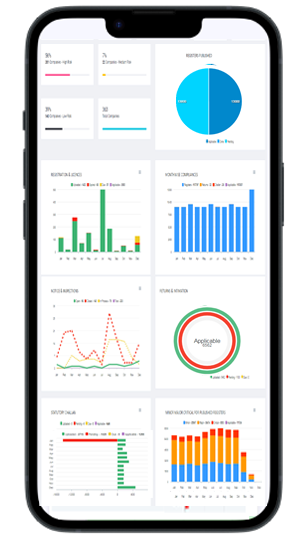
- Real-time insights through reports and dashboard
- Manage regulatory changes and eliminate compliance deviations
- Digitally verify employee data to process statutory records
- Digitally generate Registers and Returns