PF ESIC Inspection

Employees State Insurance Corporation (ESIC) is a multifaceted governmental structure designed to give much-needed sociol economic protection to Indian workers. The ESI system seeks to provide a variety of advantages to the Indian working population. ESI inspection ensures employee benefits and labor law compliance.
ESI, which is administered by the Ministry of Labor and Employment of the Government of India, was created to offer financial support to the working class during medical emergencies, and is regarded as one of the most important employee benefits.
As a result, ESI inspection provisions are centered on advancing the goal of labour welfare. Inspection aids in the detection of hidden employment. Physical visits and inspections of the premises, as well as verification of the ledgers and necessary books, allow the authorities to ensure that all eligible employees in a commercial establishment are covered by the system.
Furthermore, it makes it easier to determine whether business owners pay the required ESI contribution on all components of salaries or earnings.
The ESI plan addresses employees’ health and wellness concerns. Employees’ health care expenses are covered by this plan. It comes to their aid during times of sickness, disability, or death, relieving them and their families of financial hardship. ESI inspection is critical to ensuring that employees receive medical care when they need it. Inspection ensures legal conformity.
The following are the primary topics addressed by ESI:
The following are the key categories into which ESI benefits fall:
The Government of India updates the laws governing the ESI inspection process on a regular basis to reflect the changing business climate. The two key aspects of the inspection are briefly detailed below:
The authority must choose labor-related expenditures of a company / establishment and verify as per records if appropriate compliance w.r.t. Contributions have been duly made by the employers..
Every corporate entity in India is mandated by law to provide vital benefits to the working class, which is critical for social welfare. Companies must identify and cover employees under the provisions of ESI in order to meet statutory and labour law compliance.
Businesses are required by law to extend benefit provisions to their employees on a timely basis. Professional HR services can assist businesses in meeting statutory compliance requirements while ensuring that all employee benefits are passed on to employees.
Streamline it all with our proprietary compliance platform:
Track and monitor compliance tasks
Real-time insights through reports and dashboard
Manage regulatory changes and eliminate compliance deviations
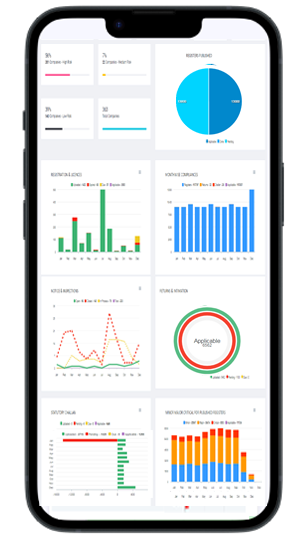
Digitally verify employee data to process statutory records
Digitally generate Registers and Returns
PF & ESIC Inspection Services help businesses prepare for and manage inspections conducted by the Employees’ Provident Fund Organisation (EPFO) and Employees’ State Insurance Corporation (ESIC). These services include statutory record verification, document preparation, compliance review, and inspection assistance.
EPFO and ESIC conduct inspections to verify employer compliance with applicable laws, including employee coverage, wage records, contribution calculations, statutory payments, employee registrations, and filing requirements.
Common documents include employee registers, attendance records, salary and wage registers, PF ECR filings, ESIC contribution records, payment challans, employee registration details, contractor records, and other relevant statutory documents.
G&CC provides inspection preparation, statutory documentation, compliance verification, departmental coordination, notice response assistance, and support in addressing discrepancies identified during inspections.
Non-compliance may result in demands for unpaid contributions, interest, damages, penalties, or legal proceedings, depending on the nature of the violation and applicable statutory provisions.
Yes. G&CC assists businesses in reviewing departmental notices, preparing supporting documents, drafting responses, reconciling contribution records, and coordinating with relevant authorities.
Yes. G&CC provides compliance audits to identify potential gaps in employee coverage, wage calculations, statutory contributions, filings, and documentation before departmental inspections.
Yes. PF & ESIC inspections may include verification of eligible contract workers and outsourced employees. Principal employers and contractors have responsibilities under applicable laws.
Yes. Depending on the applicable procedures, authorities may conduct electronic record verification, request documents online, or carry out physical inspections.
G&CC provides PAN India PF & ESIC Inspection Support Services for factories, corporate offices, commercial establishments, manufacturing units, and businesses operating across multiple locations.